
Cannabis as Care: Elders, Education, and the End of Misinformation
By Kevin Fides
I recently attended a cannabis convention designed for the 55+ community, hosted by Life Is Chill. What struck me most wasn’t novelty; it was recognition.
The conversations weren’t about getting high. They were about relief, regulation, and reconnection — about undoing decades of misinformation and returning cannabis to its original role as medicine, companion, and regulator of the body. What unfolded felt less like an industry event and more like a quiet restoration, knowledge returning to the people it was taken from.
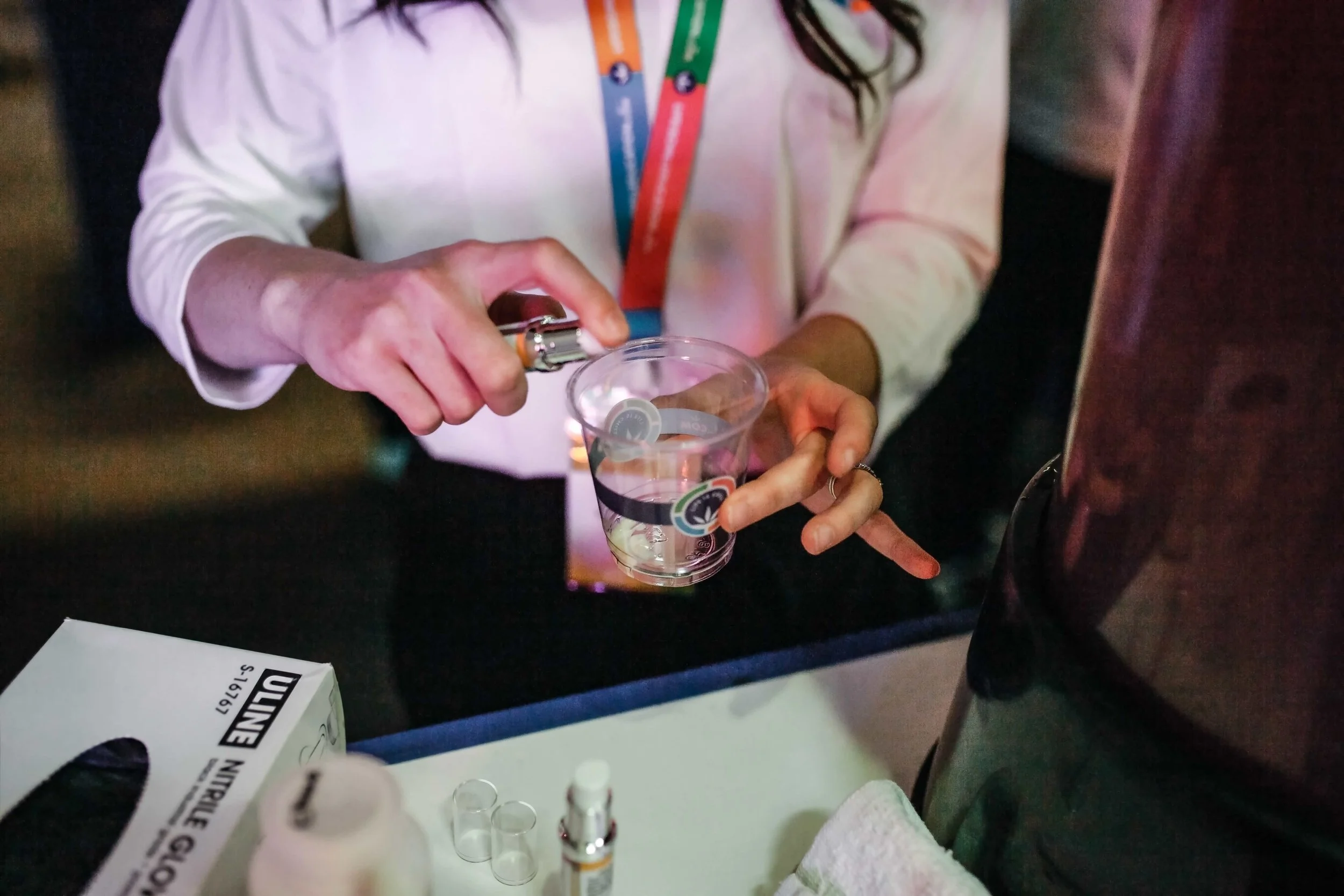
Photo by Kevin Fides | Contagion Media
That sense of care was intentional. As Life Is Chill Managing Director and Co-Founder Star Simmons explained to us, “The most rewarding part of putting together an event like this is seeing real change happen. It’s about creating a space where people in our community feel safe, supported, and empowered to ask questions they may have carried for years.” The goal wasn’t persuasion, but permission to ask, to learn, and to remember, all in a safe space built for community.
Re-teaching Cannabis as Medicine
One of the central themes was education, particularly teaching elders the difference between whole-plant cannabis and modern THC-only products.
Several speakers emphasized that isolated THC often fails older bodies. Without the full spectrum of cannabinoids, terpenes, and plant intelligence, these products can produce anxiety, dizziness, and other unwanted side effects. Whole-plant cannabis, when properly dosed, showed far more consistent benefits.
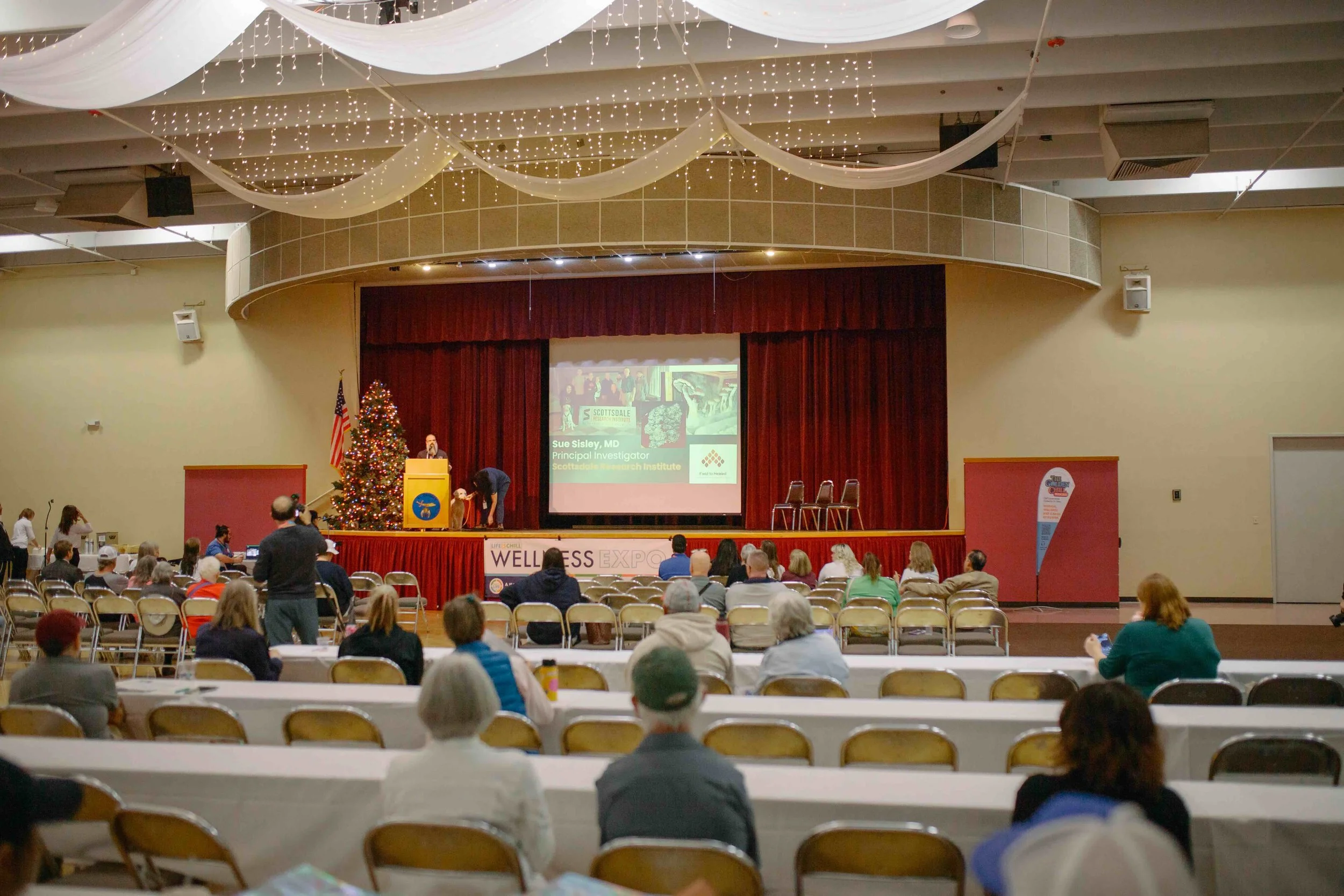
Photo by Kevin Fides | Contagion Media
The focus stayed practical: pain management, inflammation, sleep, arthritis, neuropathy, and age-related discomforts. Elders were encouraged not just to consume cannabis, but to experiment gently — learning how their own bodies respond rather than fearing the plant outright.
Cannabis was presented not as an escape, but as a tool for regulation.
Cannabis and Psilocybin: A Longer Horizon
Another striking discussion explored the relationship between cannabis and psilocybin for longer-term therapeutic support. Speakers described cannabis as a grounding agent — something that helps integrate psychedelic experiences rather than overwhelm the nervous system.
As evidence grows, advocates are approaching government bodies to establish official drug codes that allow regulated cultivation and research. One strain, Jedi Mind Fuck, has already been approved for FDA human trials, largely because psilocybin mushrooms have historically lacked standardization.
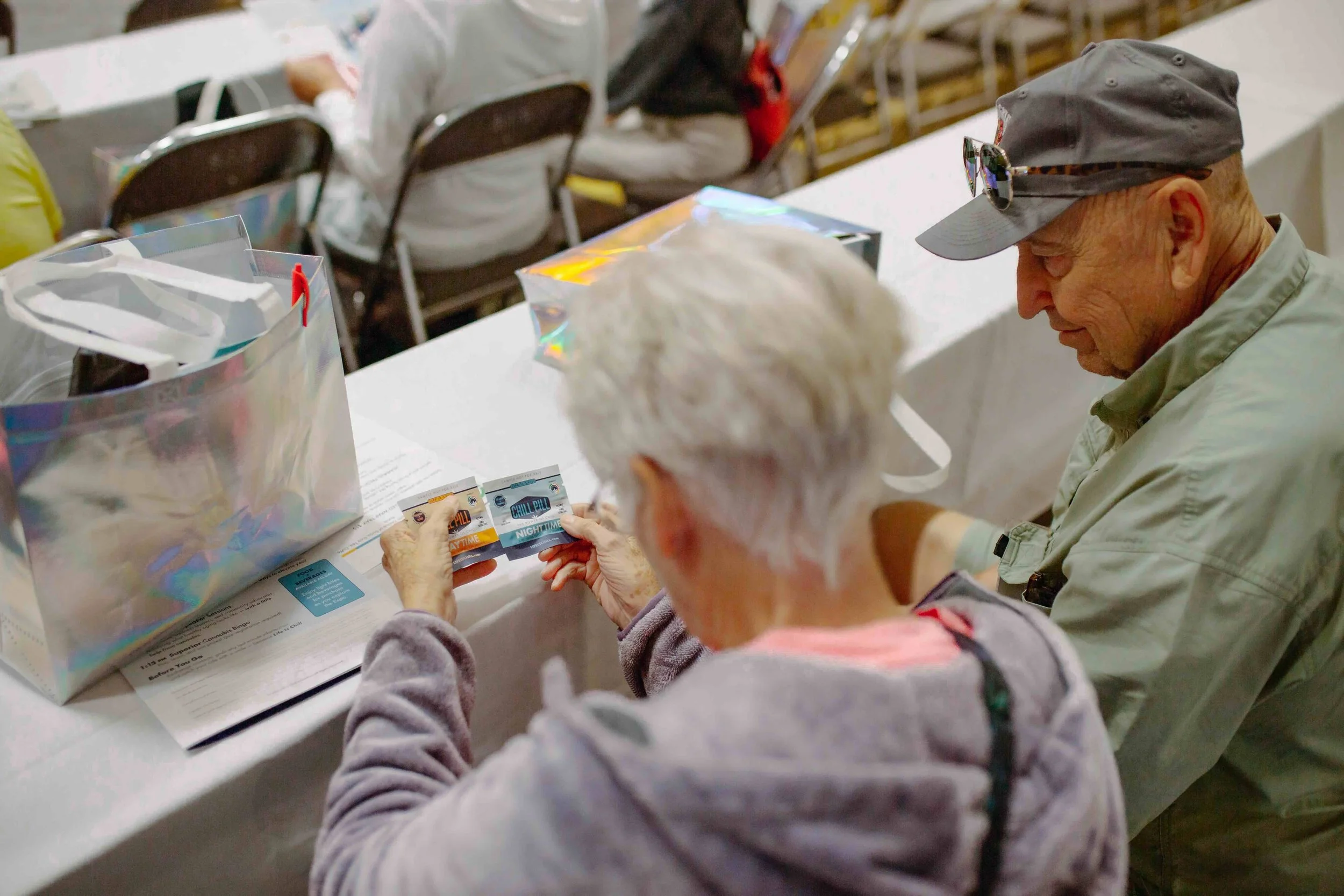
Photo by Kevin Fides | Contagion Media
What mattered here wasn’t hype, but patience: the slow reintroduction of ancient medicines into modern systems that once erased them.
Cannabis Is Older Than Prohibition
Much of the convention felt like a quiet history lesson.
Sativa literally means cultivated — not intoxicated.
Cannabis is one species with many subtypes, shaped by environment and intention.
In ancient Egypt, cannabis (sheemet) was used for inflammation, childbirth, and general healing.
In China, it was applied to slow aging and maintain vitality.
In India, bhang played a role in Ayurvedic medicine and was considered one of five sacred plants used to relieve anxiety and restore balance.
Cannabis wasn’t fringe. It was foundational.
America’s Forgotten Crop
American history echoed the same truth.
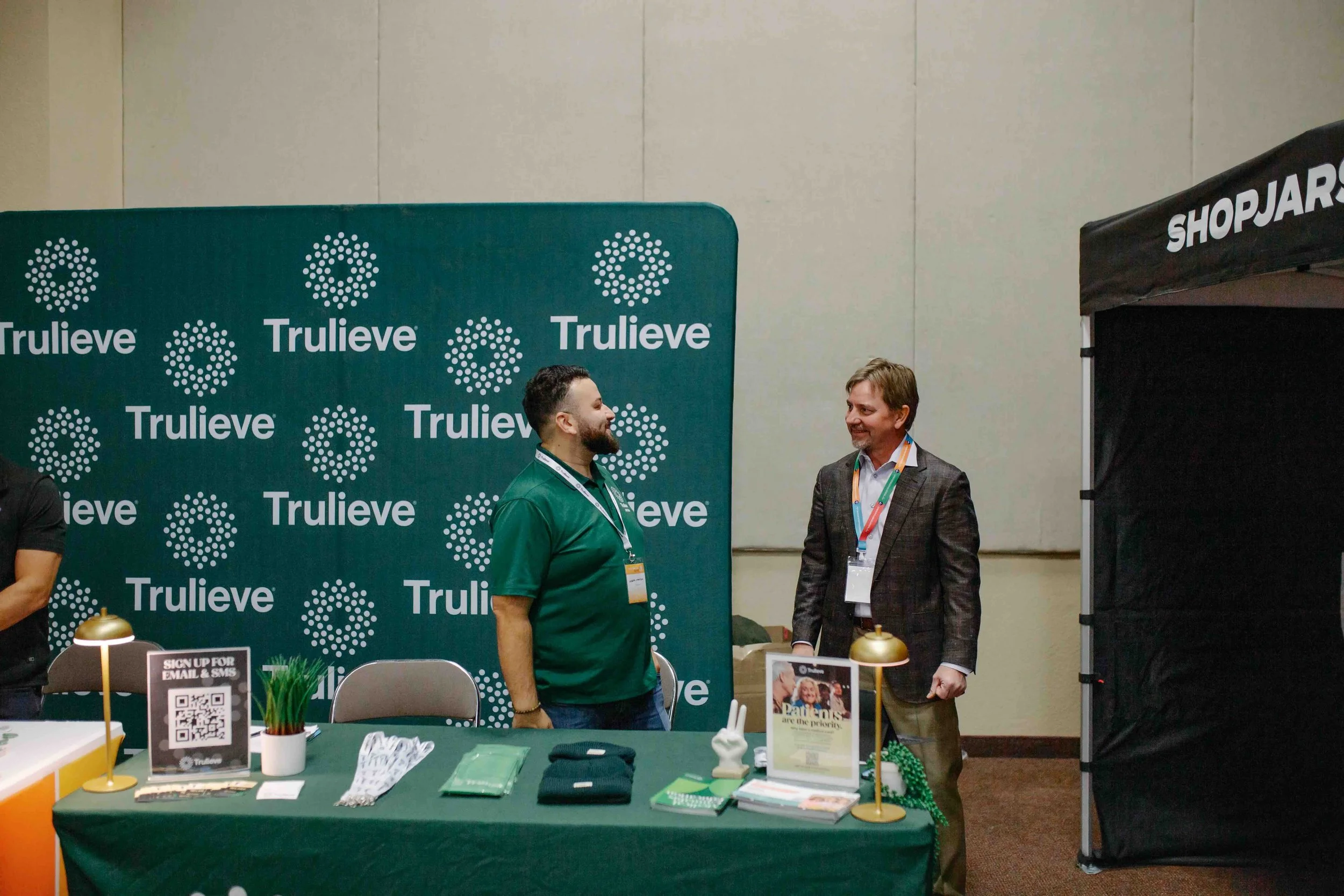
Photo by Kevin Fides | Contagion Media
The first American flags were made from cannabis fibers. Levi’s jeans, newspapers, rope, sails — all hemp. Even the word canvas comes directly from cannabis.
For a time, cannabis wasn’t just useful; it was essential.
Prohibition didn’t emerge from science or safety. It emerged from competition — synthetic materials, industrial interests, and fear-based politics. What followed was stagnation, not just of a crop, but of knowledge.
The Body Already Knows Cannabis
One of the most grounding moments came from biology.
The human brain contains more cannabinoid receptors than almost any other receptor system. These receptors regulate mood, pain, appetite, inflammation, and homeostasis. Cannabis doesn’t override the body; it communicates with systems already in place.
Some people naturally produce fewer endocannabinoids, which can contribute to chronic pain, anxiety, or neurological imbalance. For them, cannabis isn’t indulgence; it’s a supplement.
But speakers stressed something crucial: cannabis doesn’t work in isolation.
Alignment Matters
For cannabis to work with the body, the body must be supported.
Hydration matters. Nutrition matters. Mineral balance matters. Without proper care, cannabis can amplify an imbalance instead of correcting it. When paired with nourishment, rest, and intention, it becomes far more effective — especially for aging systems.
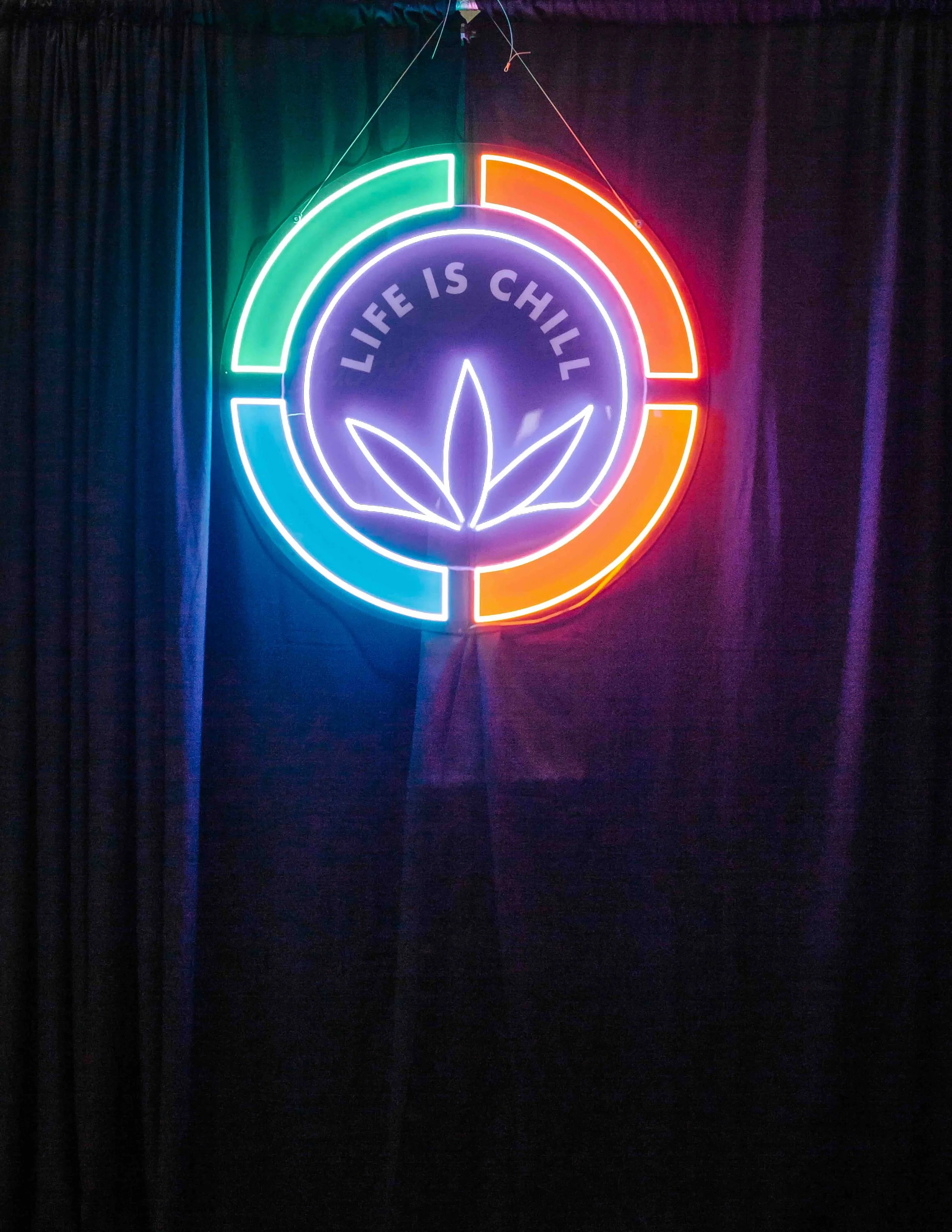
Photo by Kevin Fides | Contagion Media
This philosophy extended beyond physiology. Dr. Dana Lillestol, PhD, Life Is Chill’s Senior Education Advocate, spoke to the deeper meaning of this work: “Being part of Life Is Chill has been incredibly meaningful for me. It’s given me the opportunity to use my knowledge and training in a way that directly helps others, which is why I went into this work in the first place.” As a senior herself, she emphasized the power of supporting peers — meeting them where they are and watching confidence replace uncertainty.
What Stayed With Me
What stayed with me most was the tone: calm, deliberate, respectful. No urgency. No spectacle.
Elders listened. Asked questions. Remembered.
Simmons later reflected on the atmosphere Life Is Chill created: “My favorite moment of the day was connecting one-on-one with attendees and hearing how much they appreciated the intimate, interactive nature of the event.” Many shared that they felt seen and heard, comfortable actively participating and engaging in meaningful conversation.
The convention didn’t feel like the future of cannabis.
It felt like its return.
For readers interested in how education, community, and plant medicine intersect — especially for aging populations — Life Is Chill offers something worth paying attention to. Not because it claims to have all the answers, but because it creates space for the right questions to finally be asked.
Edited by KBR on December 29, 2025