
15 Best Career Paths in the Cannabis Industry
By KBR
Once an underground subculture, the cannabis industry has rapidly evolved into a global market worth more than $30 billion. As legalization expands and regulations settle into place, cannabis is no longer just a product—it is a full ecosystem made up of people building careers, culture, and community. Whether you’re driven by science, creativity, advocacy, or entrepreneurship, there is a lane for you in cannabis. Below, we break down 15 of the most in-demand and high-impact professions shaping the plant’s future.
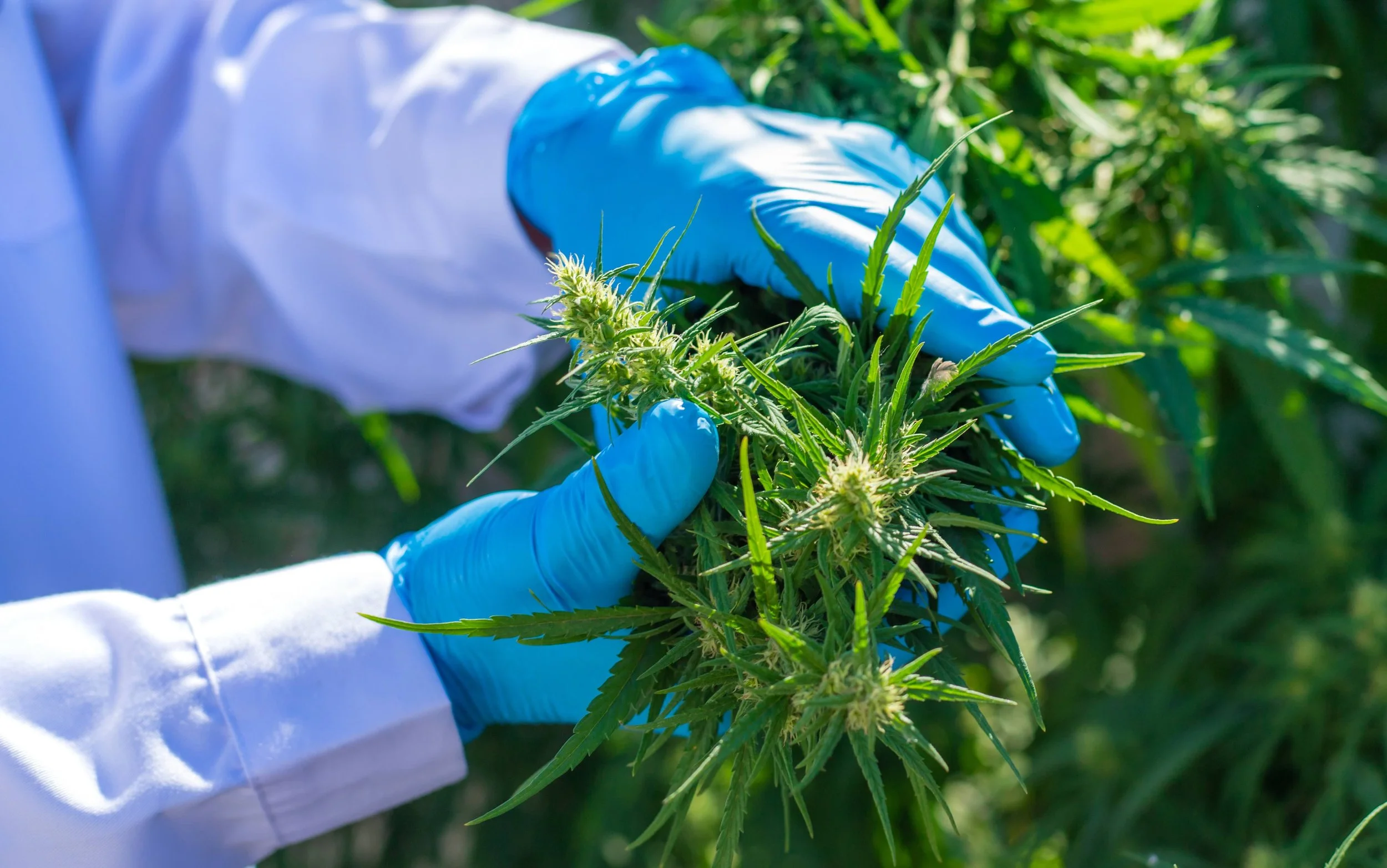
Photo by yanadjan | Adobe Stock
1. Master Grower / Cultivation Director
What they do: Master growers are the architects behind every successful cultivation operation. They design, run, and optimize the grow from seed to harvest, drawing on deep expertise in genetics, lighting schedules, nutrient programs, and environmental control. Most oversee cultivation teams, maintain strict facility compliance, and plan out crop cycles months in advance. With responsibilities ranging from pest management to harvest strategy to trimming oversight. They don’t just “grow weed,” they engineer consistency, potency, yield, and even terpene profiles.
Work environment: Master growers typically work in indoor grow rooms, greenhouses, or licensed outdoor farms. The job often requires long—and often early—hours, hands-on plant care, strict hygiene practices, and constant attention to lighting, climate, and nutrient conditions. In larger operations, the role can also involve navigating multi-state regulations and coordinating compliance across multiple facilities.
2. Budtender / Dispensary Consultant
What they do: Budtenders are the frontline of the cannabis retail experience. They greet customers, guide product selection, explain strains, and advise on consumption methods and dosing, while also ensuring every sale complies with state regulations. In medical markets, they may help patients identify symptom-specific cultivars and choose appropriate dosing options.
What success looks like: Top budtenders combine strong product knowledge with the ability to understand customer needs and communicate clearly. Many create “budtender portfolios” or strain-review content, which often leads to opportunities in retail management, brand representation, and marketing.
3. Cannabis Brand Ambassador / Influencer Relations Manager
What they do: These professionals represent cannabis brands at dispensaries, events, festivals, and across social platforms. They build community, engage with influencers, educate consumers, and cultivate brand affinity. Their work often bridges marketing, sales, and cultural outreach.
Why it matters: Because mainstream advertising channels remain limited, brand ambassadors play an essential role in building visibility and trust. They help companies reach new customers, especially younger and lifestyle-driven audiences, and often manage the brand’s social media presence around the clock.
4. Cannabis Photographer / Videographer / Content Creator
What they do: This role often means visual storytelling: macro shots of cannabis buds, lifestyle campaigns, packaging design photography, event coverage, product commercials. Good photographers in cannabis understand lighting to highlight trichomes, color accuracy, and compliance-friendly imagery (no minors, no drug use).
Why it matters: The cannabis market thrives on aesthetics — top-tier product photography helps differentiate quality; social media content drives brand reach. As cannabis becomes a lifestyle, visuals become a key competitive advantage.
5. Cannabis Marketing / Digital Marketing Specialist
What they do: With traditional ad channels often off-limits, these marketers rely on content marketing, SEO, and email. They focus on building brand voice, community, compliance-friendly campaigns, and often advocating legalization or wellness branding. They might manage social media, e-commerce sites, newsletters, SEO strategy, and influencer outreach.
Work environment: Office or remote work is common, with frequent collaboration across product, compliance, and sales teams. Brand ambassadors also need to stay current on state laws related to advertising and promotions.
6. Lab Technician / Extraction Specialist
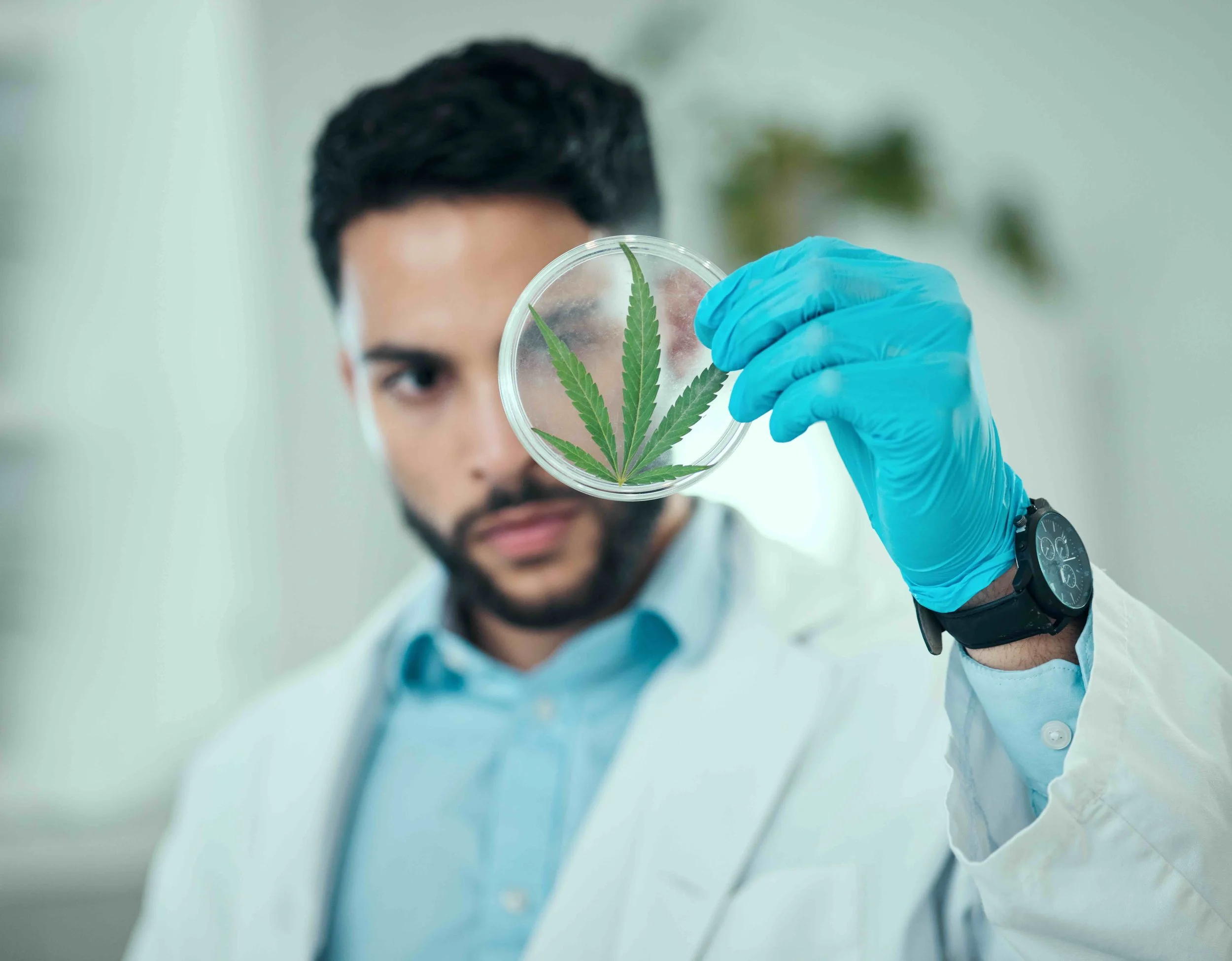
What they do: These are the scientists and technicians behind cannabis oils, tinctures, concentrates. They run extraction processes (CO₂, ethanol, hydrocarbon, solventless), conduct quality-control tests, analyze potency, terpene profiles, contaminants, and ensure products meet safety standards.
Work environment: Highly regulated labs — often clean-room environments with strict SOPs, safety gear, and shift work. Compliance with state regulations and lab-certification standards (e.g., ISO, state testing mandates) is mandatory.
Mumtaaz Dharsey/peopleimages.com
7. Edibles Chef / Infused-Product Developer
What they do: Combine culinary arts with cannabis science. Edibles chefs formulate consistent, safe, and enjoyable infused foods — gummies, chocolates, drinks, baked goods — while controlling dosage, flavor, texture, and batch compliance.
What success looks like: A track record of consistent, safe, delicious products. A chef who becomes known for quality edibles may build brand trust and customer loyalty — and often move into product development, packaging design, or brand-manager roles.
8. Compliance Officer / Regulatory Affairs Manager
What they do: Cannabis laws are complex and constantly evolving, and compliance officers make sure every part of the operation follows state and local regulations. This includes cultivation, packaging, retail, and distribution. They draft SOPs, monitor packaging requirements, oversee seed-to-sale tracking, manage audits, and train staff. The role requires a strong record of clean audits, zero regulatory violations, and effective internal training programs. For many professionals, this position also becomes a fast track to operations or executive leadership.
Why it matters: In a highly regulated industry, a company’s viability depends on its ability to stay compliant. Because the responsibility is so high, skilled compliance professionals are among the most indispensable hires in the cannabis sector.
9. Cannabis Journalist / Content Writer / Media Specialist
What they do: Cannabis journalists play a key role in shaping public perception. Through dispensary reviews, strain roundups, policy coverage, and trend reporting, they inform consumers, influence legislation, and highlight the human stories behind the plant. Writers who build credibility and produce widely read work often become trusted industry voices or thought leaders.
Work environment: Most cannabis journalists work remotely or in hybrid settings. The role is research-heavy and driven by deadlines, and it may involve travel for events, interviews, or dispensary visits. Their work appears in magazines, blogs, company websites, and newsletters.
10. Trimmer / Harvest Technician
What they do: After harvest, trimmers manicure the buds, remove leaves, shape the flowers, and ensure both aesthetic quality and potency are preserved. The work is detail-oriented and repetitive, but essential for delivering consumer-ready products.
Why it matters: Trimming is often the entry point for many cannabis careers. It provides hands-on knowledge of plant structure, yields, and strains, while also offering opportunities to build relationships with cultivators and gain a foothold in the industry.
11. Community Manager / Social Media & Customer Engagement Specialist
What they do: Community managers build and maintain a brand’s voice across social media, online communities, email newsletters, and customer support channels. They act as liaisons between the brand and its audience, responding to questions, moderating forums, organizing events, and fostering engagement. These roles are often remote or hybrid, with flexible hours since social media activity rarely stops. Community managers frequently collaborate with marketing and customer support teams. A skilled manager can be a brand’s most valuable asset, driving both trust and customer retention, especially in an industry that still faces stigma.
What success looks like: Successful community managers build loyal followings, generate high engagement on social platforms, and support retention or referral growth. They provide direct feedback to product and marketing teams, helping ensure that cannabis consumers—who often rely heavily on peer reviews, community trust, and education—have a positive and informed experience.
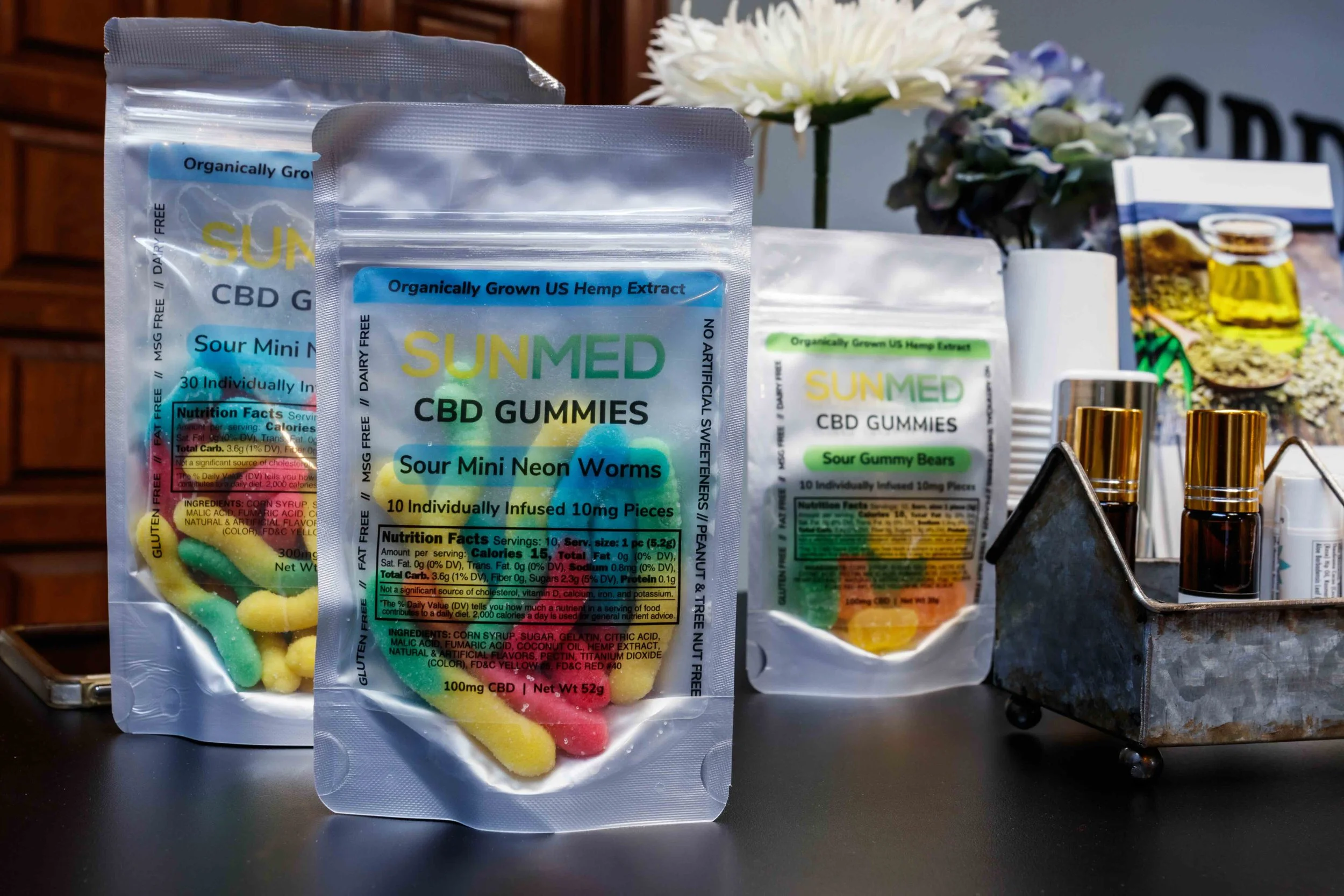
Photo by Mumtaaz Dharsey/peopleimages.com | Adobe Stock
12. Cannabis Product Developer / R&D Specialist
What they do: Product developers create and refine cannabis formulations, including vapes, edibles, tinctures, and topicals. They focus on dosage accuracy, potency testing, terpene blending, and ensuring stability and regulatory compliance. As consumer demand diversifies, product developers play a key role in driving brand growth and differentiation, often influencing a company’s success or failure. Successful developers manage consistent product launches, maintain regulatory clearance, gather strong consumer feedback, and sometimes develop proprietary formulations or patents.
Work environment: These professionals work in spaces that blend research labs, kitchens, and packaging lines. The role requires balancing innovation with regulatory adherence, conducting iterative testing, keeping detailed records, and collaborating closely with lab and testing teams.
13. Patient Care Consultant / Medical Cannabis Advisor
What they do: In medical cannabis markets, consultants guide patients on strain selection, dosing, consumption methods, and potential side effects, often coordinating with medical providers. They may work in dispensaries, clinics, or compassionate-use programs. These roles require a strong focus on healthcare, empathy, and thorough product knowledge, as well as familiarity with medical conditions and dosing protocols.
What success looks like: Successful medical cannabis consultants receive positive patient feedback, build a base of repeat patients, and may advance into advocacy, regulatory affairs, or product development, particularly for medical-market products.
14. Entrepreneur / Founder / Multi-State Operator
What they do: Entrepreneurs design and build cannabis businesses, from cultivation facilities and dispensaries to edibles brands, delivery services, accessory lines, or vertically integrated companies. They manage licensing, funding, compliance, staffing, marketing, and strategic growth. Those who successfully navigate complex regulations and identify scalable market niches create the brands and companies that shape the industry
Work environment: Entrepreneurship in cannabis is high-pressure and complex. Founders often juggle compliance, investor meetings, marketing strategy, and supply-chain logistics, frequently working long hours with minimal rest.
15. Event Producer / Cannabis Culture Coordinator
What they do: Event coordinators plan and manage cannabis-focused events, from educational panels and wellness retreats to dispensary pop-ups, festivals, and brand launches. They handle logistics, compliance—especially in states with consumption restrictions—vendor coordination, security, marketing, and overall attendee experience. The role combines office planning, on-site coordination, travel, vendor management, and adherence to legal and regulatory requirements.
Why it matters: As cannabis becomes more mainstream, consumption culture is evolving into experience culture. Events foster community engagement, customer loyalty, and brand awareness, while also serving as platforms for education, advocacy, and cultural expression.
The cannabis industry is not a one-note sector; it is a dynamic ecosystem. Whether your strengths lie in horticulture, science, sales, storytelling, or leadership, there is a place for you. These are more than jobs—they are careers with purpose, offering opportunities to shape culture, contribute to wellness, build communities, and redefine how society interacts with this plant.
If you are serious about entering the industry, start with education, compliance awareness, and networking. Follow industry-leading voices, join cannabis-focused job and networking platforms, attend events, or pursue relevant certifications. Once you find your “lane”, stay curious, remain compliant, and grow alongside the plant.
Edited by Natalie Wheeler on December 9, 2025